The strengths of the Petite Côte
- Close to Dakar: Mbour is about 80 km south of the capital.
- Blaise Diagne International Airport, in Diass, between Dakar and the Petite Côte: a real plus for diaspora families coming on holiday.
- A coastline, lagoons and nature reserves (such as the Somone reserve) that attract residents and visitors.
- Lively towns with shops, services and tradespeople, starting with Mbour.
Mbour
The largest town on the Petite Côte, Mbour concentrates shops, services and a lot of activity. Both family homes and villas are built here. The outer neighbourhoods are expanding: check the land status and services (roads, water, electricity) before buying.
Saly
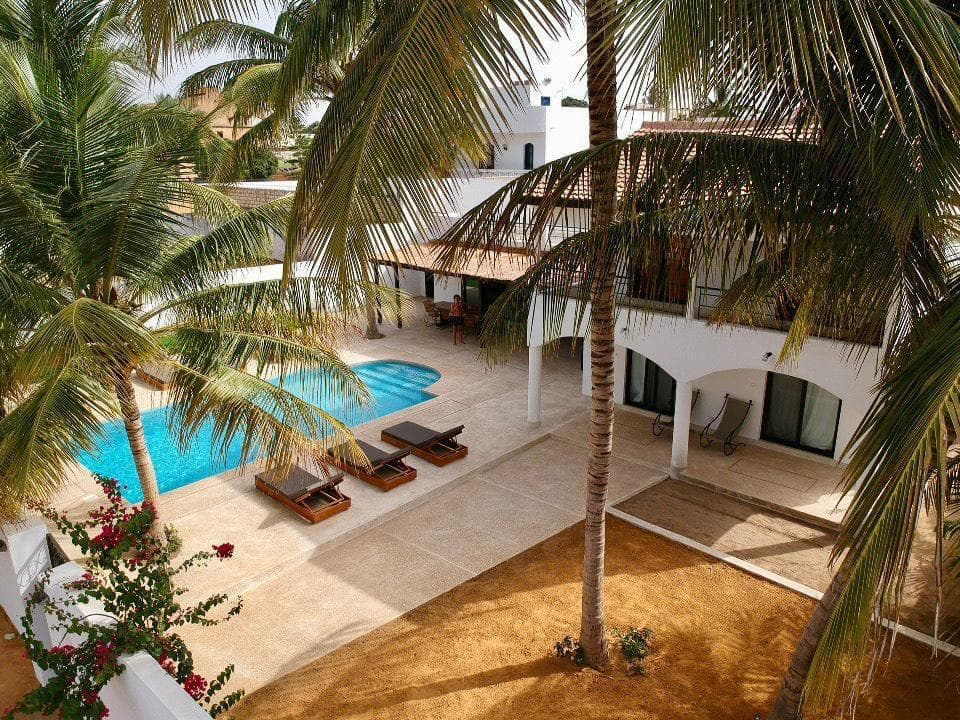
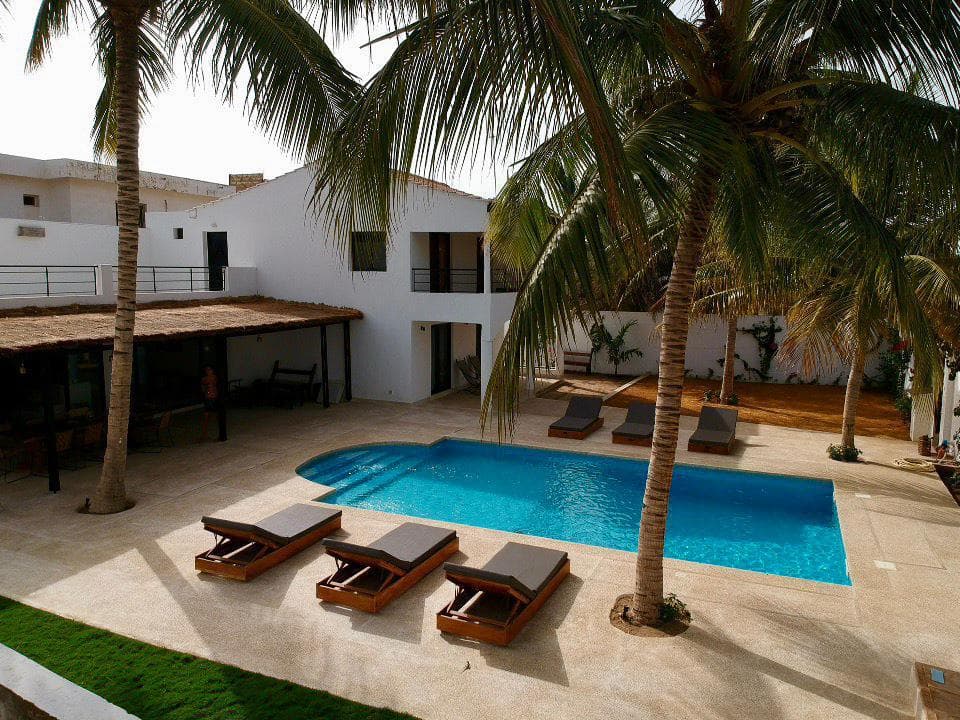
A well-known seaside resort, Saly has villas, residences and hotels. It is a popular place for villas with pools and holiday homes. Part of its coastline is affected by coastal erosion: before buying near the beach, find out how the shoreline is evolving and which rules apply.
Somone, Ngaparou, Guéréo
Around the Somone lagoon and its nature reserve, these places offer a quieter setting, with villas, residences and tourist accommodation. Being close to a protected area and to water means checking the applicable rules and the type of soil.
Nianing and beyond
South of Mbour, Nianing and nearby villages often offer larger plots. The further you are from town centres, the more you need to check access, services and land status.
These areas attract family homes and quiet residences. Distance to shops and services has to be weighed against the space available and the price.
Choosing a location for your project
A main home for your return, a holiday house, a rental investment: the right place is not the same. A main home benefits from being close to services, schools and shops, as in Mbour. A holiday home will favour calm and closeness to the sea or lagoon, as in Saly, Somone or Ngaparou.
Also think about access from the airport and from Dakar, road conditions in the rainy season and whether utilities (water, electricity) reach the neighbourhood.
Utilities and services
In fast-growing areas, utilities do not always keep pace with land sales. Before buying, check on site whether water and electricity reach the plot, and ask the providers about the conditions and timing for connection.
Wastewater is usually handled on the plot (septic tank or equivalent): it must be in the plans from the start, and it is part of the building permit application.
Finally, think about access roads: a track that is fine in the dry season can become difficult in the rainy season, for you and for material lorries.
Points to watch everywhere
- The public maritime domain: a 100-metre strip from the highest tide line, which cannot be privately owned.
- Coastal erosion, to be considered for any plot close to the sea.
- Salty air, which wears out metal and poorly protected concrete: materials and workmanship matter.
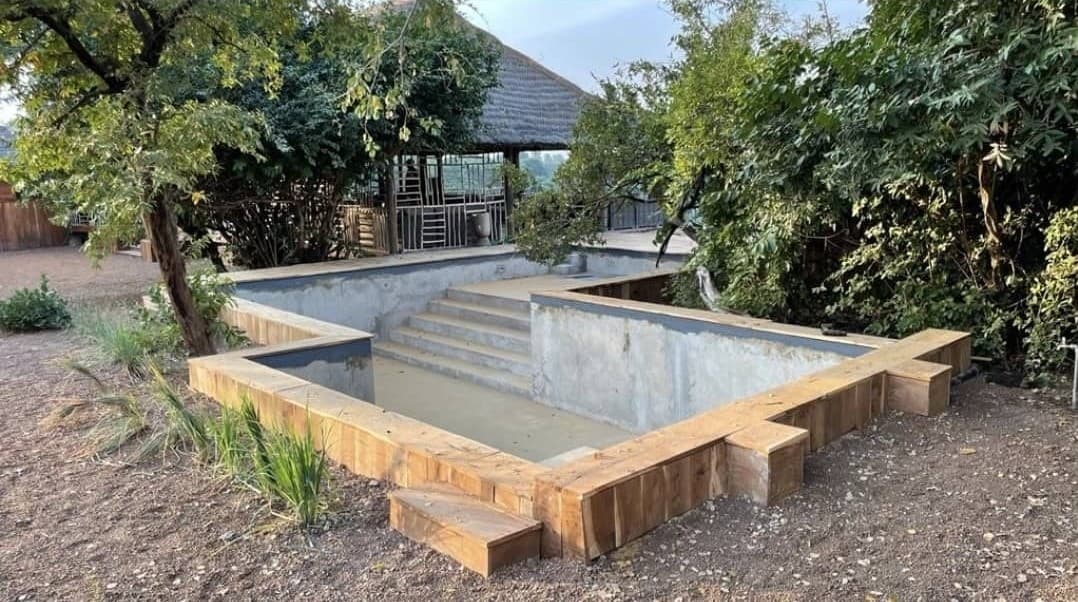
- Often sandy soil and a sometimes shallow water table: they determine foundations and pools.
- Land status: land title, lease or council allocation, to be checked by a notary.
- The rainy season (hivernage, usually July to October), to be factored into the building schedule.
Building with the seasons
The dry season is usually the most comfortable time for structural work. The rainy season does not stop building, but heavy rain can slow excavation, make some access roads difficult and means the site must be protected.
If you live abroad and want to attend an important stage in person, plan your holidays around the building schedule rather than the other way round.
Heat in the hottest months also calls for some precautions with concrete (curing with water, sun protection): a quality-of-workmanship point to discuss with the builder.
Questions to ask before buying on the Petite Côte
- What is the exact legal status of the land (land title, lease, council allocation)?
- Is the plot affected by erosion or located in the public maritime domain strip?
- Do water and electricity networks reach the plot?
- What are the planning rules for the area (height, buildable area)?
- Does the land flood in the rainy season?
Why a local builder
On the Petite Côte, a company based locally knows the ground, the suppliers and the tradespeople, and can supervise the site day to day.
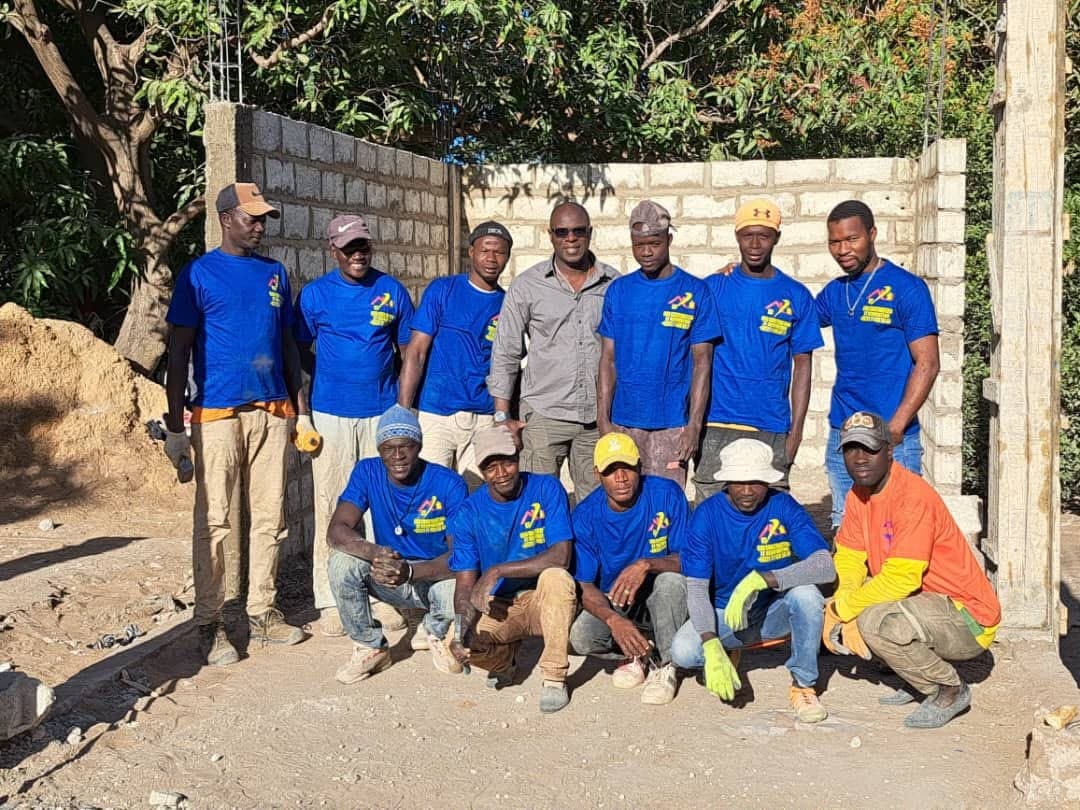
CMR Construction & Rénovation has been based in Mbour, in Quartier Escale, since 2009. We work mainly on the Petite Côte (Mbour, Saly, Somone, Ngaparou, Warang, Nianing).
This guide gives general information about the area. Planning rules, the state of the coastline and land status must be checked plot by plot: ask the relevant local council, government services and a notary.
A project on the Petite Côte?
Message us on WhatsApp: we reply usually within the day, and the quote is free.
Further reading on our site
Sources
Official texts and websites consulted (October 2026, in French):
- Loi n° 76-66 du 2 juillet 1976 portant Code du domaine de l'État (base FAOLEX) (new tab)
- APIX-SA — Accès au foncier au Sénégal, guide de l'investisseur (mise à jour juin 2026) (new tab)
- Ministère de l'Urbanisme — Demande d'une autorisation de construire (new tab)
- Code de l'urbanisme (loi n° 2023-20) et Code de la construction (loi n° 2023-21) — vie-publique.sn (new tab)